Growing the materials of tomorrow
We grow mycelium and carbon composites to replace materials that cost too much in emissions, water and waste. Designed, developed and made in Bharat.
Biology on one side, materials engineering on the other. We work in between, growing alternatives to what industry has spent a century digging out of the ground.
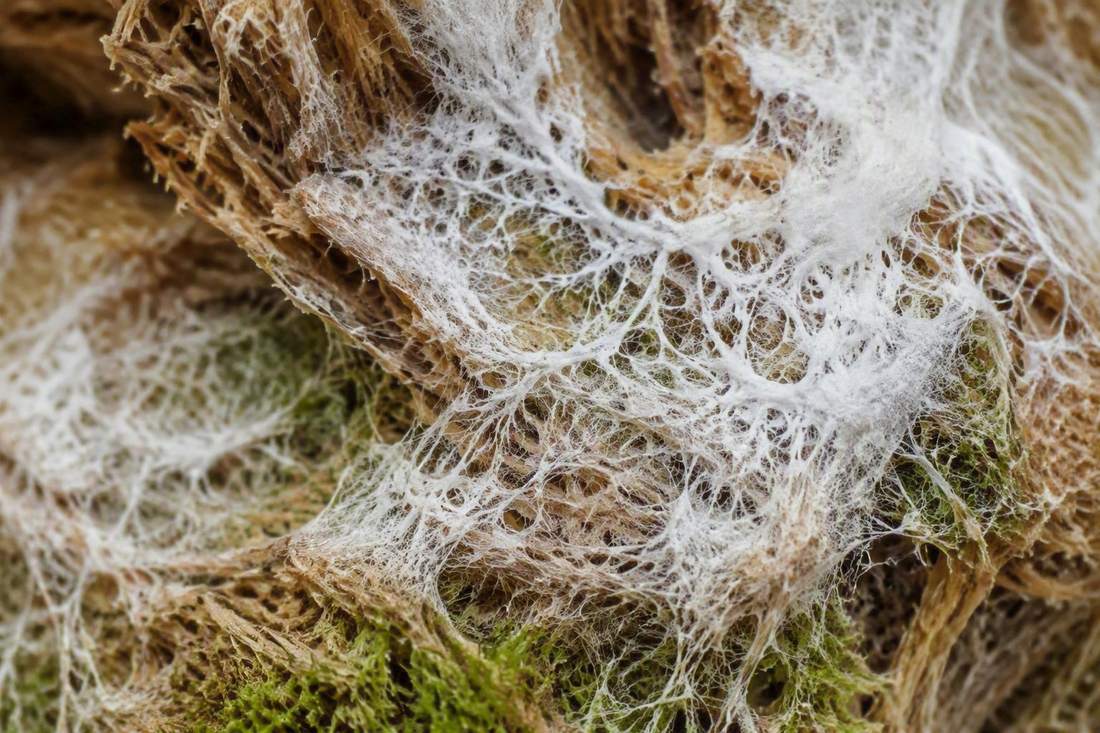
One organism, tuned into distinct industrial products
One growth process, reinforced with carbon. The feedstock is agricultural waste, the process runs cool, and the finished material is built to beat what it replaces.
Grow
Mycelium cultivated on agricultural residue.
Reinforce
Carbon loading for strength and fire resistance.
Form
Moulded, pressed and finished to spec.
Deploy
Fashion, packaging, logistics and construction.
Grown, not extracted
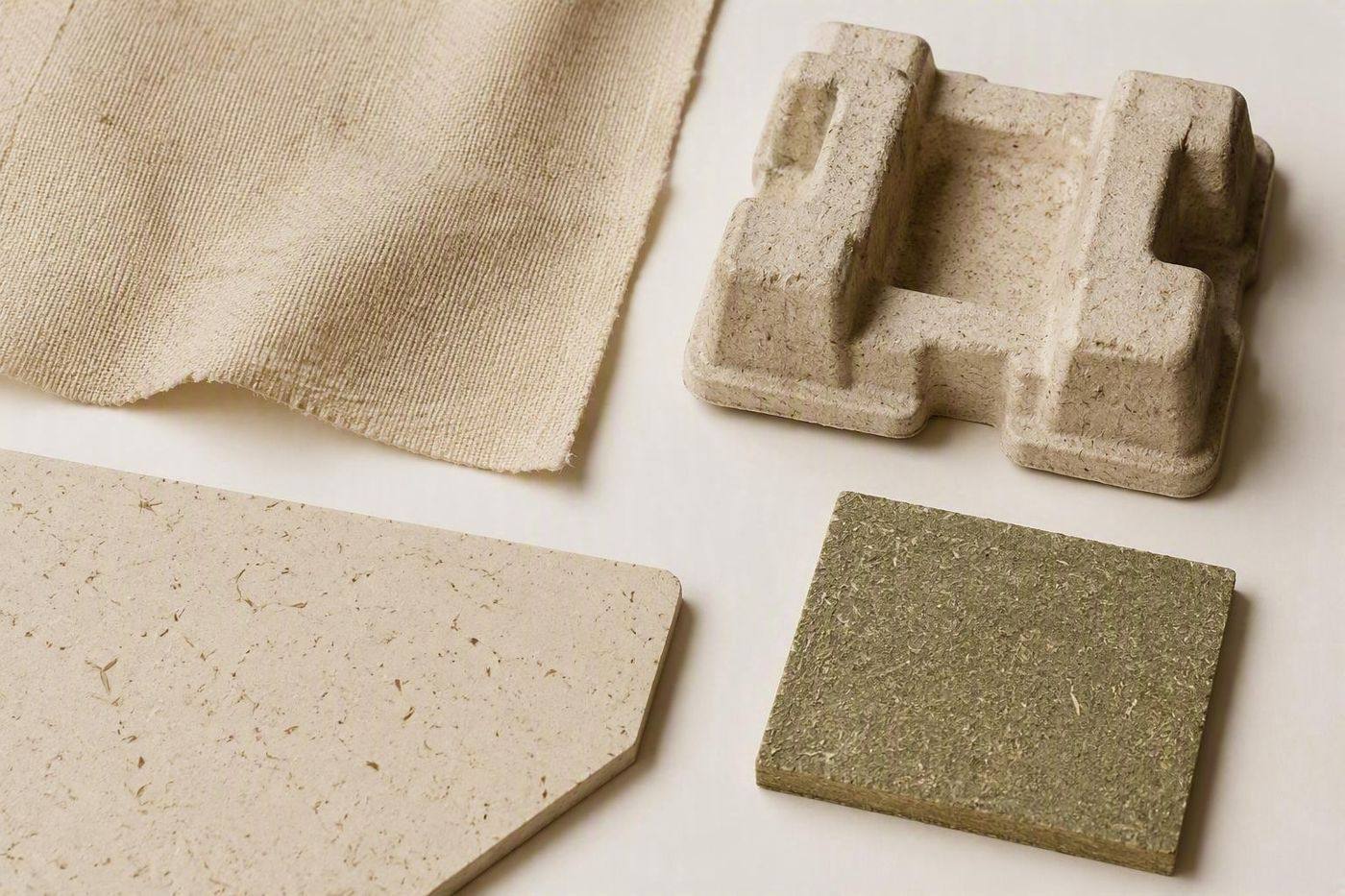
Five lines out of one platform. Leather, packaging, pallets, panels and raw feedstock.

Bio-leather
Leather without the herd or the chrome. For fashion, footwear and car interiors.
Read the explainer →Bio-packaging
Protective packaging grown to shape. Replaces expanded polystyrene and composts at end of life.

Fire-resistant pallets
Load-rated pallets that resist fire instead of feeding it.
Read the explainer →Construction materials
Insulation panels and acoustic boards for low-carbon building envelopes.
Composite feedstock
Engineered mycelium and carbon blends, supplied to partners who do their own forming.
Chrome-tanned leather. Expanded polystyrene. Treated timber and chemically bonded panels. The materials we replace are expensive in emissions, water and waste, and most of them cannot be recycled at all.
R&D in Hyderabad
Biology labs, materials characterisation and pilot production sit under one roof in Hyderabad. A formulation can go from petri dish to pilot line without leaving the building.
Scale the bio-packaging and bio-leather pilot lines. Qualify pallets with logistics partners.
Construction materials into commercial production, and feedstock supplied at industrial volume.
Volume manufacturing across the whole portfolio, on supply chains that stay close to home and still serve export markets.
We grow what industry has spent a century digging up, and we build it to outperform the thing it replaces.